Topics Β· Premium
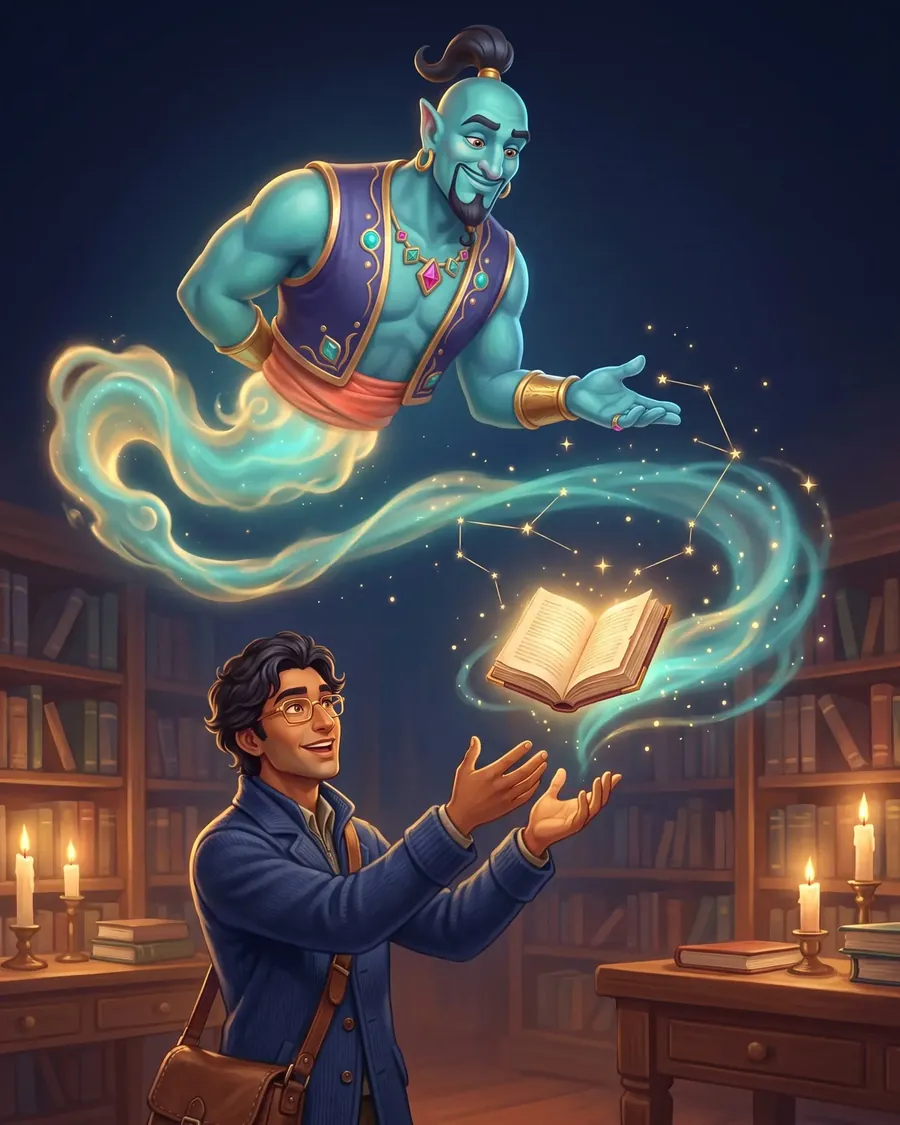
Wish for a topic. Any topic.
β¦ You have 1 wish. Granting a course spends one.

Lv 1Lv 270 XP to goStudy Less, Remember More Β· Lesson 1 of 3 Β· 5 min
Why the study habit everyone uses feels great and barely works
Here is a small experiment you can run on yourself tonight. Read a page of anything dense, then read it again. Notice the feeling on the second pass: the sentences glide, the words look familiar, and a quiet voice says I've got this. Now close the book and write down what the page said. For most people the feeling and the writing do not match.
Your brain has two ways of saying yes to information. One is recognition: I have seen this before. The other is recall: I can produce this with nothing in front of me. An exam, a client, a patient, or a job interview never asks whether something looks familiar. They ask you to produce it.
Quiz now, while it is fresh. 8 questions, no timer.
The Rereading Trap
Your most valuable takeaway Β· +30 XP
What is the single most valuable thing you take from this lesson? One sentence is plenty.
One sentence earns you 30 XP, the moment you save it. It goes into your notes for this lesson too.
Lv 1Lv 270 XP to goStudy Less, Remember More Β· The Rereading Trap
Nothing missed. Five flashcards joined your review deck.

Level up
You've just reached Level 2!
Student
115 XP
Your story Β· chapter 2
The town is gone behind the trees and the map is already wrong. You correct it as you walk, boots in muck to the ankle, ink going everywhere.
On this rung Β· 2 rewards


Wish Library
or pick from our ever-growing library of courses.

Pick as many as you like. Each one is built the same way: short lessons, drills, and review that remembers what you forget.
Not in the library? Wish for it and the Genie builds the course: lessons, quizzes, flashcards
NCE / CPCE Prep: Foundations · Lesson 1 of 27 · 7 min
History, credentials, and the rules that protect clients
The Counselor Preparation Comprehensive Examination (CPCE) is built directly on the eight classic content areas used here. The National Counselor Examination (NCE) now reports scores in six work-behavior domains, but those domains draw on the same eight knowledge areas, so this material carries to both exams.
This domain covers who counselors are, where the profession came from, and the ethical rules that govern practice. Exams love the history landmarks.
Licensure is granted by a state government and legally restricts who may practice or use a title. Certification, such as the National Certified Counselor (NCC) from NBCC, is granted by a private board and signals that you met a national standard, but it does not by itself give you legal permission to practice. Accreditation applies to programs, not people.
Confidentiality is an ethical duty; privileged communication is its legal cousin, created by statute, and the privilege belongs to the client, not the counselor. Confidentiality must be broken when there is serious and foreseeable harm to the client or an identifiable other, when child or vulnerable adult abuse is suspected, or when a court orders disclosure. The Tarasoff case established a duty to warn or protect an identifiable intended victim.
Mandatory ethics means meeting the minimum standard, doing only what the code requires. Aspirational ethics means practicing at the highest level the spirit of the code points toward. Exams often describe a counselor doing the bare legal minimum and ask you to label it mandatory.
Informed consent is a process, not a signature. It covers the nature of services, risks, benefits, fees, confidentiality limits, and the right to refuse.
Boundary issues sit on a spectrum: a boundary crossing is a departure from common practice that may help the client, while a boundary violation exploits or harms the client. When facing a subpoena, the standard first move is to consult the client and your attorney and assert privilege rather than automatically releasing records.
If a question asks who holds privilege, the answer is the client. If it asks the first step in almost any ethical dilemma, the answer is usually to consult: the code, a supervisor, or a colleague, while identifying the problem. Dramatic immediate actions are rarely the credited response.
Recalling from memory is what makes learning stick, so OmniTaught has you do it three ways: write the key idea in your own words, answer a quiz while the lesson is fresh, and review it just before you would forget.
A library that grows with every wish. Search for what you want to learn; if it is missing, the Topic Genie builds it, and then everyone has it.
Try "I want to help clients with panic", "pass my nursing boards", or "stop being bad at percentages".
Topic Genie
Tell the Genie what you want to learn, what you already know, and what it is for. It writes a custom course tailored to you, with lessons, quizzes, and reviews.
One free course for signing up.
Every granted wish goes in the Wish Library, a growing collection of learner-made courses that anyone can add to their app for free. One person's wish becomes everyone's course.
Make a wish β¦
Who builds this
OmniTaught is built by Michael C. Shedrick, M.S., PLPC, NCC: a teacher with a master's in educational leadership who became a National Certified Counselor. He built the learning app the research says should exist. Lessons stay short, because attention fades fast. A quiz follows at once, because pulling an idea back out of your own head is what makes it stay, not reading it twice. And review comes just before you would forget, when the effort of remembering does the most good.
Also from the same desk: OmniPsyche Counseling Tools, which preps your next session and not just your notes; OmniPsyche.org, free mental health education with no paywall and no signup; and NOTICE, a free guided meditation app.
Ten minutes a day. Start with the topic your work depends on, or the one that has bugged you since school.
Start learning free
Your hero
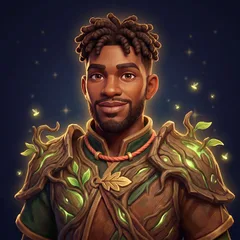
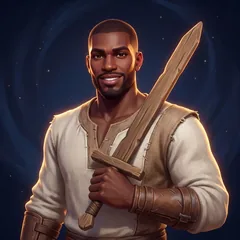
Seven heroes, twenty-five levels, and a story told a chapter at a time. Advance your hero's quest with every completed lesson and find loot at every new level.
Mage
Warrior
Scholar
Druid
Rogue
Bard
PaladinNo card to start.
Flashcard apps have the science but no content. Content sites have no retention engineering. This one has both.